In short: Italian dating culture centers on presence, family, emotional honesty and small, consistent gestures of care. Love is woven into daily life rather than scheduled, family is part of the relationship from the start, and tradition sits comfortably alongside modern independence. Italians tend to value depth and intention over speed.
Italian dating culture is often romanticized, but rarely understood.
From the outside, it’s portrayed as passion, charm, and big gestures.
From the inside, it’s also something much deeper: a way of loving shaped by family, tradition, presence, and emotional vulnerability.
Italian Dating Is a Reflection of Daily Life
In Italy, love isn’t compartmentalized.
It’s woven into everyday moments:
- Coffee at the bar
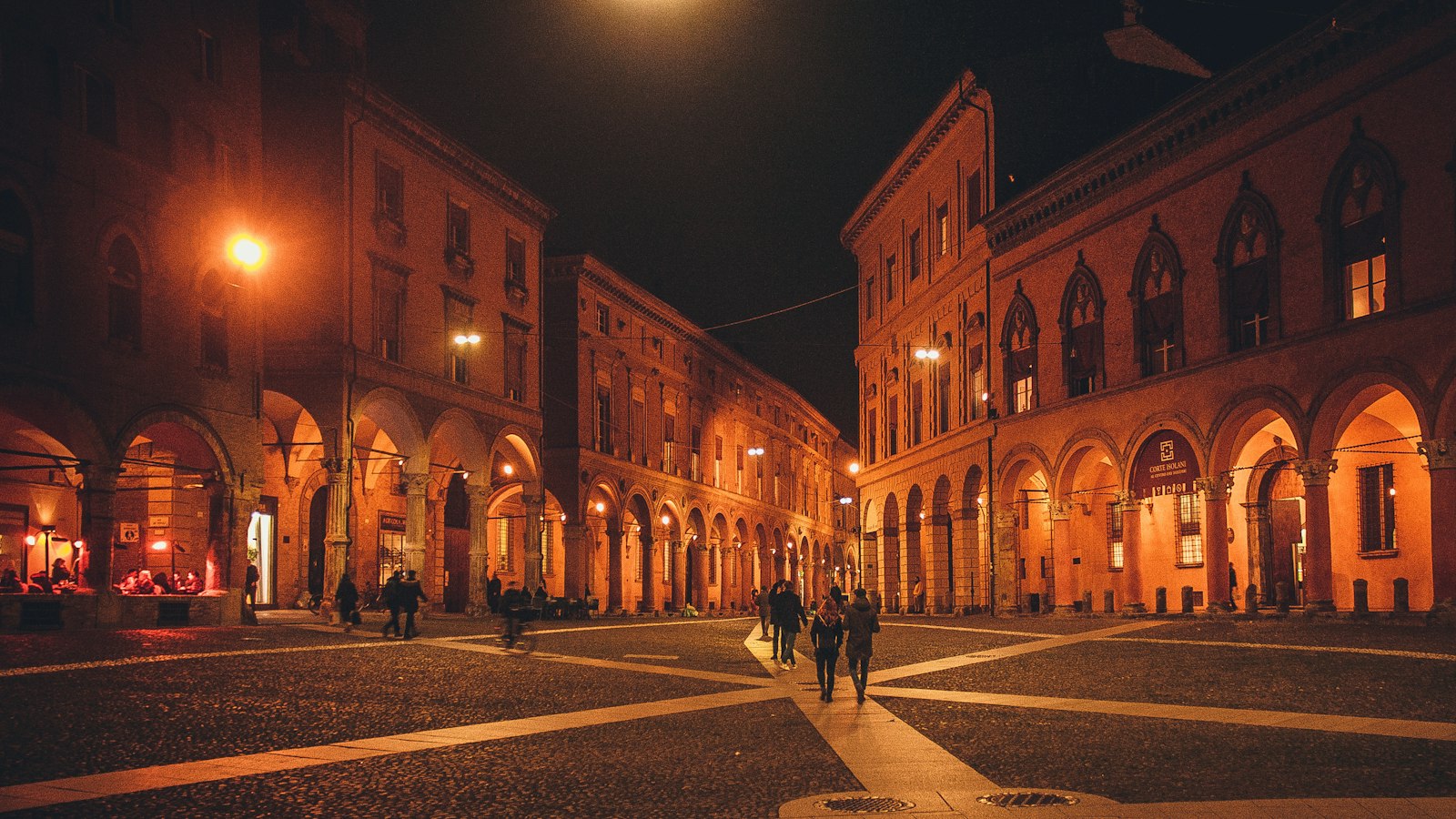
- Evening walks through the neighborhood
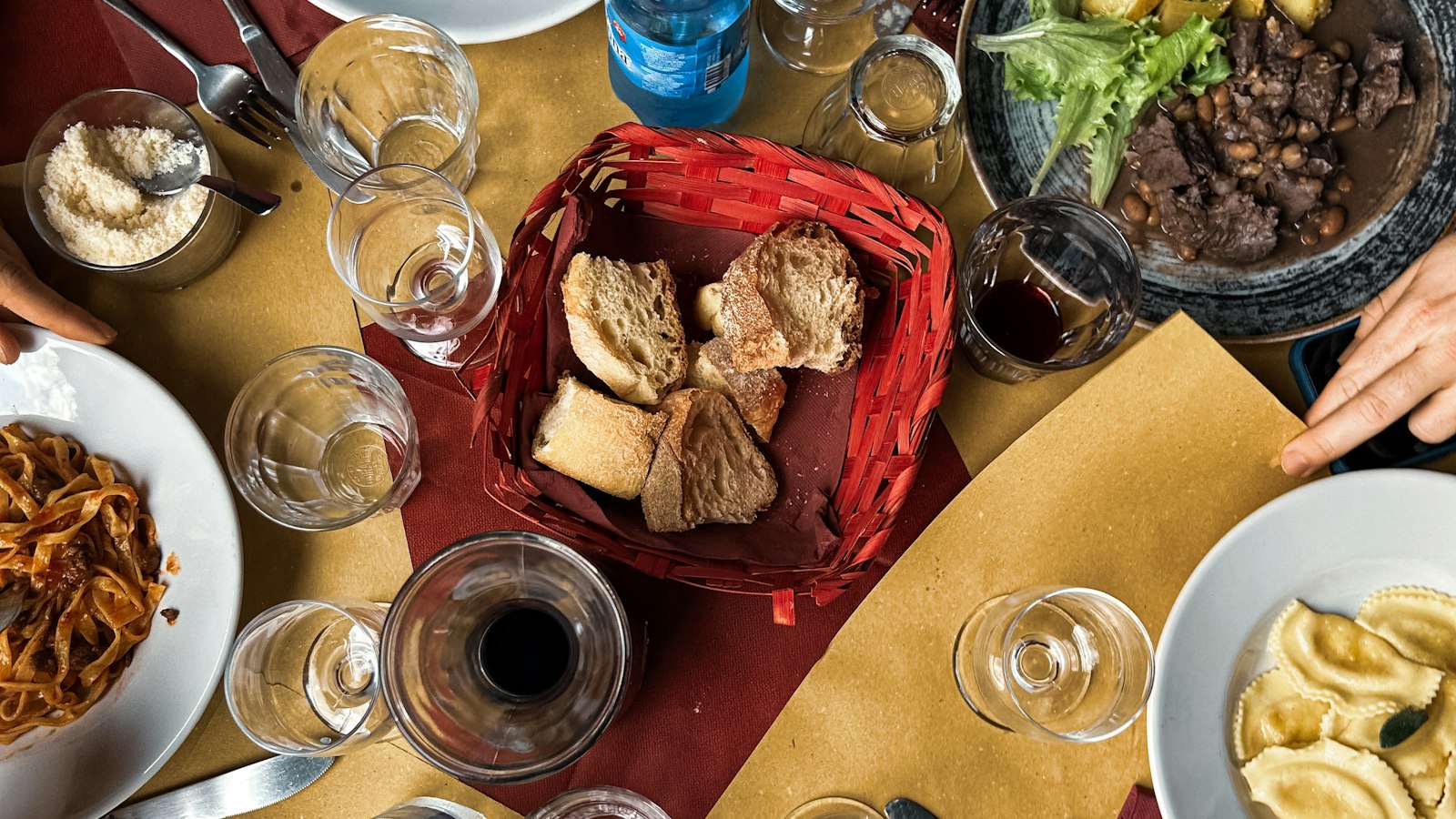
- Long meals shared without rushing
Dating happens within life, not alongside it.
This is why Italian dating doesn’t rely heavily on rigid rules or timelines. It grows through shared experiences, not scheduled checklists.
For Italians, chemistry isn’t discovered in one night, it’s revealed over time.
Presence Matters More Than Performance
One of the most defining traits of Italian dating culture is presence.
Being emotionally available.
Paying attention.
Showing up fully.
Italian dating values:
- Eye contact
- Conversation
- Curiosity
There’s little patience for distraction or emotional distance. Multitasking through a date, keeping options open indefinitely, or staying emotionally guarded can feel cold, even disrespectful.
This doesn’t mean Italians expect immediate commitment.
It means they expect real engagement in the moment.
Family Is Part of Love, Not Separate From It
In Italian culture, family isn’t something you “get introduced to later.”
It’s always there.
Even when Italians date casually, there’s an underlying awareness of how a partner fits into a broader life:
- Family gatherings
- Traditions
- Long-term compatibility
This isn’t pressure, it’s perspective.
Italian dating culture assumes that love eventually becomes shared life, and shared life includes family. Ignoring this dimension often leads to misalignment, especially when dating outside Italian culture.
Romance Is Subtle and Constant
Contrary to stereotypes, Italian romance isn’t always loud.
It’s consistent.
- Remembering details
- Creating small rituals
- Making everyday moments feel special
Italian dating isn’t about impressing once.
It’s about showing care repeatedly.
This is why Italians often value effort in small things — time, attention, thoughtfulness — more than grand gestures.
Emotional Honesty Is Expected
Italian dating culture values emotional clarity.
Games, ambiguity, and emotional detachment are rarely attractive. Italians tend to:
- Say how they feel
- Address conflict directly
- Express affection openly
This can feel intense to those from more reserved cultures, but for Italians, it’s simply sincerity.
Love, in Italian culture, is something you participate in, not something you hedge against.
Tradition and Modernity Coexist
Italian dating culture is not stuck in the past.
Modern Italians are:
- Independent
- Career-focused
- Globally minded
But tradition still plays a role, not as restriction, but as grounding.
Italian dating blends:
- Freedom with loyalty
- Passion with stability
- Individuality with connection
This balance is what many Italians struggle to find on mainstream dating platforms, where independence is often prioritized at the expense of emotional depth.
Why Italian Dating Culture Feels So Different Abroad
When Italians date outside Italy, the contrast becomes clear.
Dating cultures that emphasize:
- Efficiency
- Casualness
- Emotional detachment
Can feel incompatible with Italian values.
It’s not about superiority, it’s about misalignment.
Italian dating culture assumes that love should feel warm, intentional, and human. When dating environments don’t support that, Italians often feel misunderstood rather than rejected.
What Italians Look for in Relationships
While clearly every individual is different, Italian dating culture commonly values:
- Emotional availability
- Shared values
- Respect for family
- Desire to build something meaningful
- Enjoyment of everyday life together
These values aren’t old-fashioned.
They’re enduring.
The Future of Italian Dating
Italian dating culture is evolving but it isn’t disappearing.
As Italians live abroad, form international relationships, and navigate modern dating tools, the need for culturally aligned spaces becomes stronger.
The future of Italian dating lies in environments that:
- Respect tradition without limiting individuality
- Encourage depth over speed
- Treat love as something intentional
Dating doesn’t need to abandon culture to be modern.
It just needs to honor it.
Italian dating culture isn’t about rules.
It’s about values.
And when love is built on presence, family, passion, and intention it tends to last.
If that’s the love you’re looking for, join the Mia waitlist. We launch in winter 2026–27.
Good questions
What is Italian dating culture like?
Italian dating culture is built on presence, family and emotional honesty. Dates grow out of everyday moments like coffee, evening walks and long meals, affection is expressed openly, and romance shows up in small, consistent gestures more than grand ones.
What do Italians look for in a relationship?
Every person is different, but Italian dating culture commonly values emotional availability, shared values, respect for family, a desire to build something meaningful, and simply enjoying everyday life together.
How important is family in Italian dating?
Very. In Italian culture, family isn’t something you meet “later”; it’s part of the picture from the start. Even casual dating carries an awareness of how a partner would fit into family gatherings, traditions and a shared future. That’s perspective, not pressure.