In short: Italian immigrants were at the center of America’s labor movement. Joseph Ettor and Arturo Giovannitti helped lead the 1912 Lawrence textile strike; Carlo Tresca organized from Paterson to Minnesota; Luigi Antonini and Angela Bambace led Italian garment workers in the ILGWU; and Fiorello La Guardia co-sponsored the 1932 law that protected peaceful strikes.
Better pay. Safer workplaces. The right to join a union without being fired for it.
Much of what American workers count on today was fought for in mill towns and garment shops a century ago, and Italian immigrants were in the middle of that fight.
They were weavers, dressmakers, bricklayers and poets. Many had been in the country only a few years. They organized anyway.
This Italian American Heritage Month, these are the people worth remembering.
The 1912 Lawrence Strike
On January 1, 1912, a Massachusetts law cut the maximum work week for women and children under 18 from 56 hours to 54. The textile mills of Lawrence cut pay to match.
For families already living on the edge, a few lost hours meant going without bread. On January 11, workers walked out. By the next evening about 10,000 were on strike, and by March more than 20,000, according to the Samuel Gompers Papers at the University of Maryland.
The strikers came from about 20 countries. Italians stood alongside Polish, Russian, Irish and Syrian workers, and they held together across languages.
It cost them. Anna LoPizzo, a striker born in Italy, was shot and killed on January 29 during a clash between police and strikers.
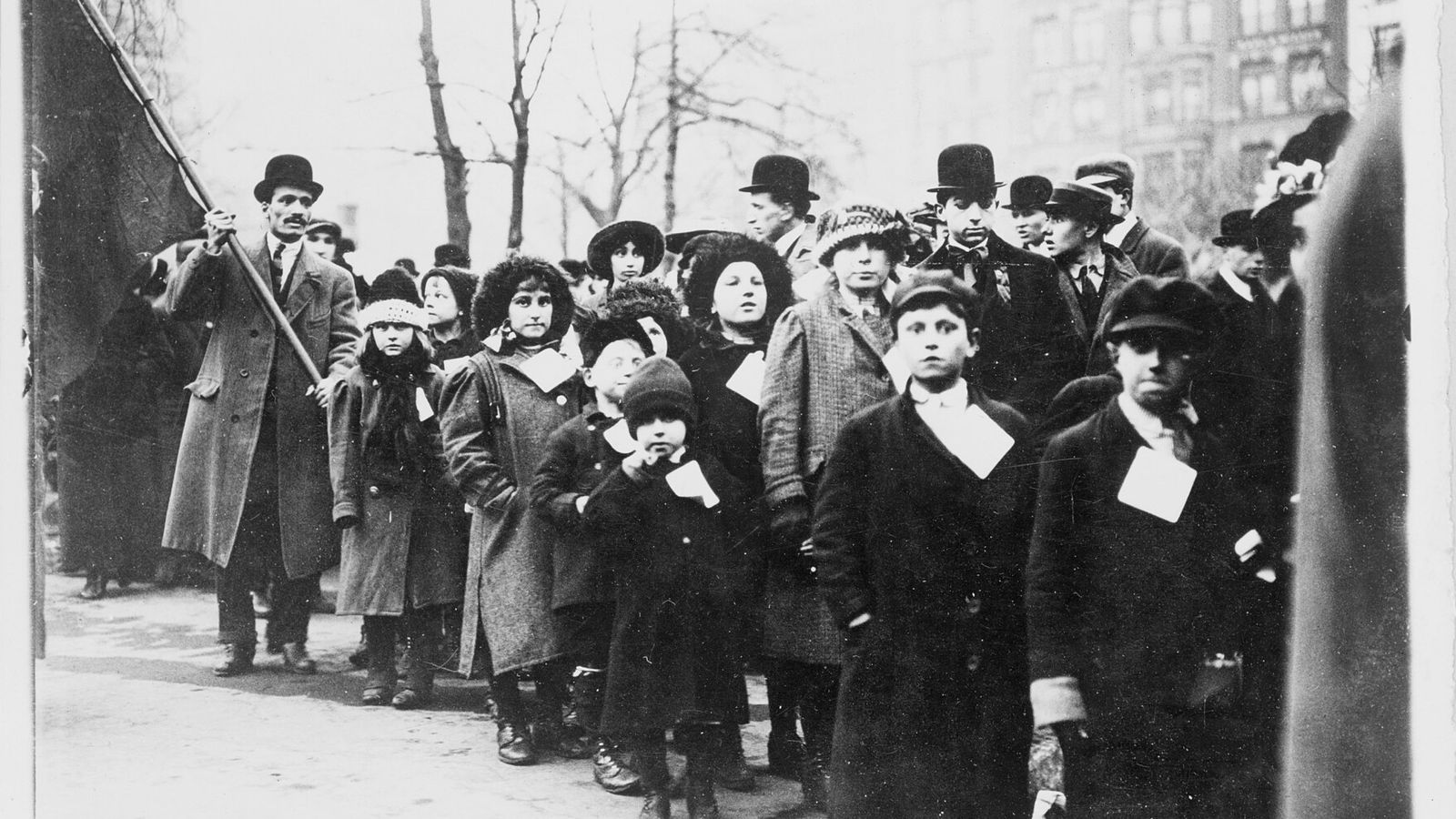
To protect their children from hunger, strikers sent many of them to stay with families in New York, Vermont and Philadelphia. When police attacked a group of mothers and children at the train station on February 24, the country took notice, and in March Congress heard testimony from the children themselves, as the Library of Congress recounts.
The strike ended at most mills on March 14 with raises of 5 to 20 percent, better overtime pay and a promise of no retaliation against strikers. It is remembered today as the “Bread and Roses” strike, a name drawn from a 1911 poem and attached to Lawrence in later years.
Joseph Ettor and Arturo Giovannitti
Joseph Ettor, an organizer for the Industrial Workers of the World, arrived in Lawrence on January 13 and chaired the strike committee. He went on to organize in Paterson in 1913 and wrote Industrial Unionism: The Road to Freedom.
Arturo Giovannitti, a poet and union organizer from Molise and editor of the Italian-language paper Il Proletario, joined him in Lawrence.
After Anna LoPizzo’s death, both men were charged as accessories to murder, along with striker Joseph Caruso, even though Ettor and Giovannitti were miles away at the time. They spent about ten months in jail waiting for trial. Giovannitti wrote poems in his cell, including “The Walker,” and on November 23, 1912 gave a celebrated address to the jury in Salem. Ettor and Giovannitti were acquitted in November 1912.
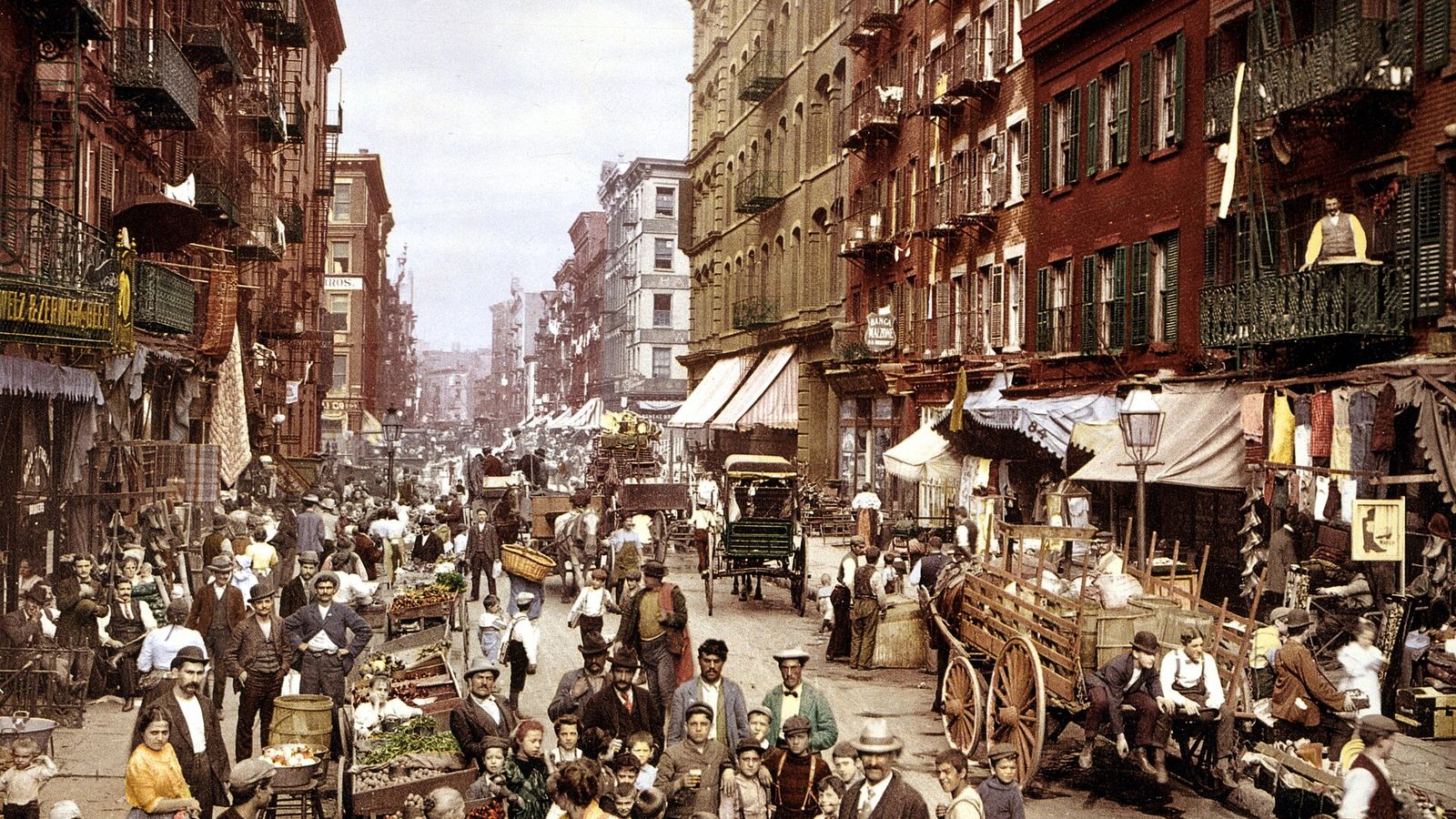
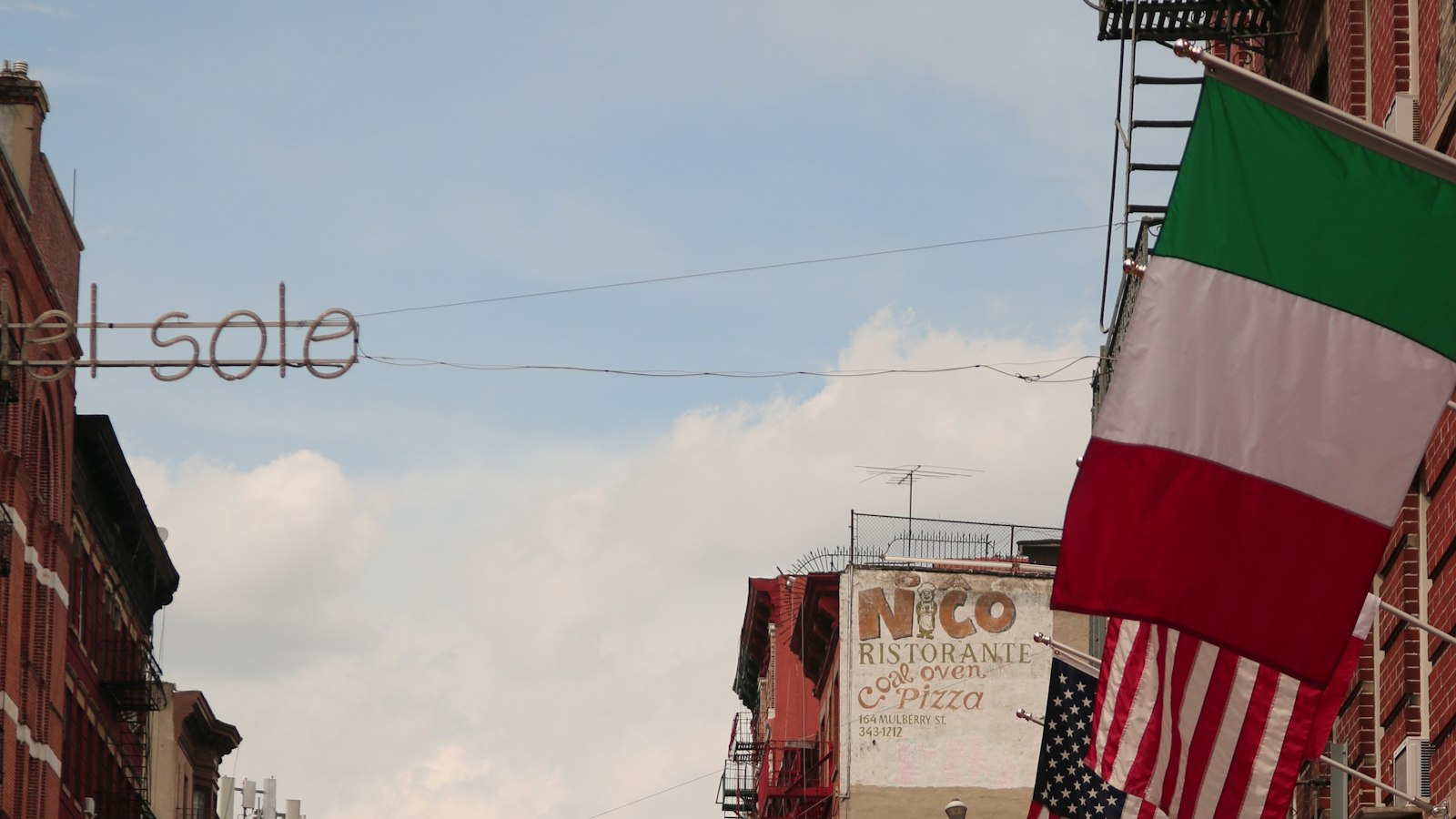
His collected poems, Arrows in the Gale (1914), came out with an introduction by Helen Keller. One of them, “A Bench in Mulberry Park,” is set in the heart of New York’s Little Italy.
Carlo Tresca
Born in Abruzzo, Carlo Tresca emigrated in 1904 and became one of the best-known Italian-American labor organizers of his time, at Lawrence, in the Paterson silk strike and on Minnesota’s Mesabi Iron Range in 1916.
From 1917 he edited Il Martello, a fiercely anti-fascist newspaper, and he survived several attempts on his life by fascist supporters. On January 11, 1943 he was shot dead on Fifth Avenue in Manhattan. His murder was never prosecuted, according to NYU’s Tamiment Library.
The Women of the Garment Trade
On March 25, 1911, fire swept the Triangle Shirtwaist Factory near Washington Square. 146 of its roughly 500 workers died. Most were young immigrant women, “for the most part, recent Italian and European Jewish immigrants,” some as young as 14, according to Cornell University’s Kheel Center. By Cornell’s victim records, 38 of them were born in Italy.
The tragedy changed the law. New York’s Factory Investigating Commission, created that June, drafted dozens of workplace protections, and 36 became law.
Italian women kept organizing. In 1919 the International Ladies’ Garment Workers’ Union chartered Local 89, the Italian Dressmakers’ Union. Its leader, Luigi Antonini, born in Vallata in Irpinia, served as the ILGWU’s first vice president for more than thirty years.
Angela Bambace, born in Brazil to Italian parents, joined the ILGWU in 1917 as a young garment worker. She went on to lead the union in Maryland and Virginia, and in 1956 became a vice president of the ILGWU and a member of its General Executive Board, according to Cornell’s ILGWU archives.
Christ in Concrete
On Good Friday, March 30, 1923, a building collapsed on a construction site and killed a construction worker named Geremio di Donato.
His son Pietro turned that loss into Christ in Concrete (1939), a novel about Italian immigrant construction workers. It was a Book-of-the-Month Club selection, edging out John Steinbeck’s The Grapes of Wrath, according to Stony Brook University Libraries. It is still one of the most powerful books ever written about American work.
Fighting for Workers in Congress
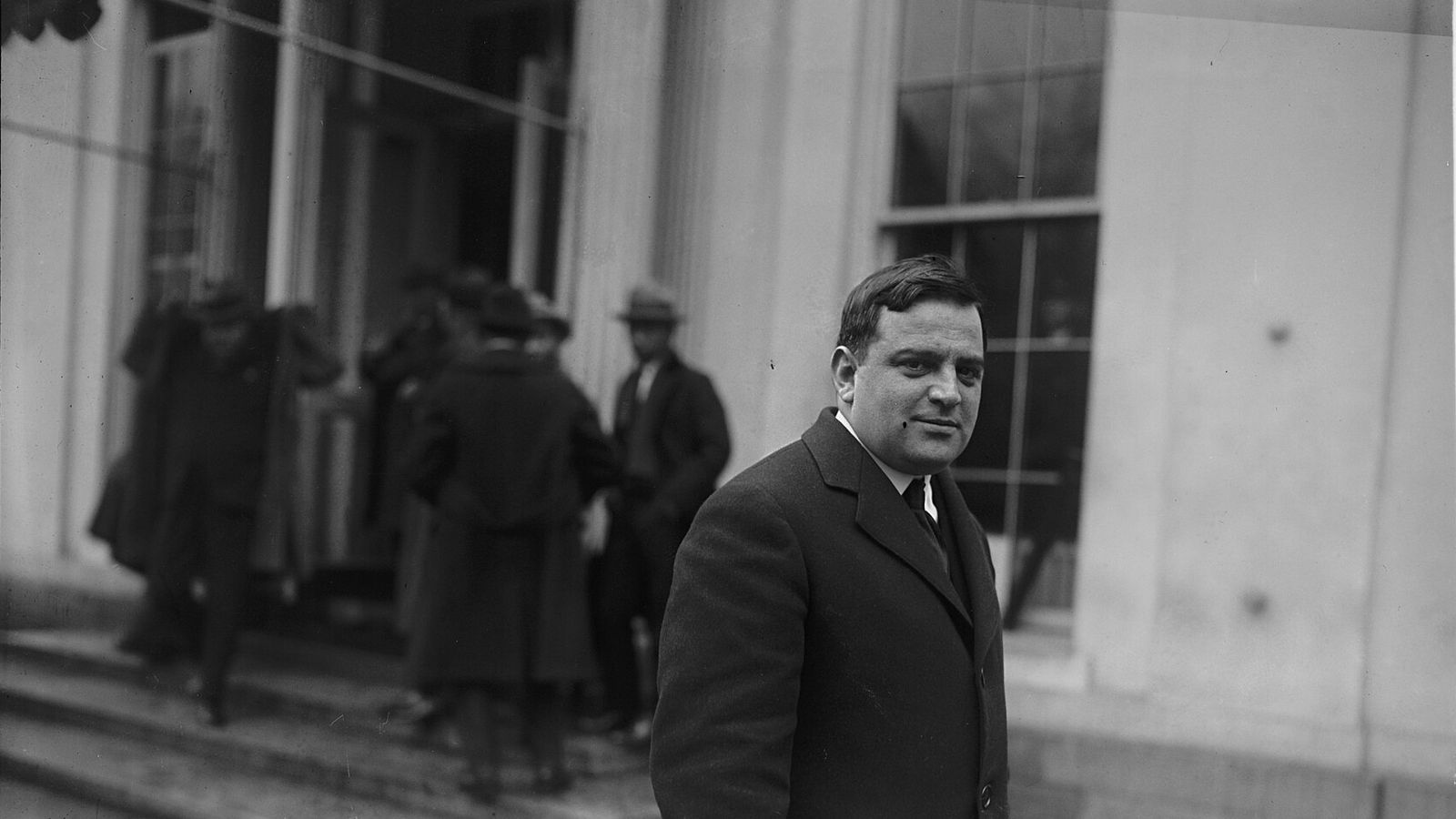
Fiorello La Guardia, the son of a musician from Foggia, served in Congress before becoming mayor of New York from 1934 to 1945. In 1932 he co-sponsored the Norris–La Guardia Act, which made “yellow-dog” contracts (promises not to join a union) unenforceable and barred federal courts from issuing injunctions against peaceful strikes and union membership.
Vito Marcantonio represented East Harlem in Congress for most of 1935 to 1951. The House historian calls him “a firm supporter of the protection of civil liberties and organized labor,” and he championed Italian-American, Puerto Rican and Black New Yorkers alike.
Why It Still Matters
The people in these stories wanted what most of our families wanted: a fair day’s pay, a safe way home, and a little time left over for the people they loved.
Bread, and roses.
That’s worth remembering this October, and every Sunday at the table.
Proud of where your family comes from? Join the Mia waitlist. Mia, the dating app for Italians and Italian-Americans, launches on iPhone in winter 2026–27.
Good questions
Who were the Italian-American leaders of the 1912 Lawrence strike?
Joseph Ettor of the Industrial Workers of the World chaired the strike committee, and poet-organizer Arturo Giovannitti joined him. Both were jailed for about ten months on charges connected to the death of striker Anna LoPizzo, even though they were miles away, and were acquitted in November 1912.
What was the Bread and Roses strike?
The textile strike in Lawrence, Massachusetts, began on January 11, 1912 after the mills cut pay to match a shorter legal work week. More than 20,000 immigrant workers from about 20 countries, including Italians, joined it. It ended on March 14 with raises. The “Bread and Roses” name, from a 1911 poem, was attached to it later.
How many Italians died in the Triangle Shirtwaist Factory fire?
The March 25, 1911 fire killed 146 workers. By Cornell University’s victim records, 38 of them were born in Italy. Most of the other victims were Jewish immigrants.
What did the Norris–La Guardia Act do?
Passed in 1932 and co-sponsored by Fiorello La Guardia, it made “yellow-dog” contracts, in which workers promised not to join a union, unenforceable, and barred federal courts from issuing injunctions against peaceful strikes and union membership.